

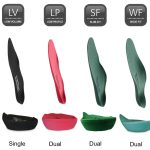
The different types of Formthotics for foot support
The “Formthotics” brand of foot orthotics from in New Zealand, is one the the most well recognised and used in the pre-fabricated or premade foot orthotics. They come in a variety of different styles and designs.
Single-Density Formthotics
What they are:
Made from one uniform layer of Formax™ foam.
What they’re good for:
- Everyday comfort
- Light support
- People who don’t need much correction but want cushioning
Common variants:
- Low, Medium, High arch profiles
- Slim versions for tighter shoes
Dual-Density Formthotics
What they are:
Two different foam densities fused together — usually a firmer base with a softer top.
Why it matters:
This setup gives a balance of support + comfort without feeling too hard.
Typical uses:
- Foot fatigue
- Mild overpronation
- Long hours on your feet
We sell the dual density, Everyday Formthotic and the dual density Run & Sport Formthotic
ShockStop Formthotics
What they are:
Designed specifically for impact absorption, made with a softer, energy-damping foam.
Ideal for:
- Running and high-impact sports
- People with heel pain, shin splints, or joint sensitivity
- Those who prefer maximum cushioning
Sport-Specific Formthotics
These are shaped and tuned for particular footwear and movement patterns.
Running Formthotics
- Encourage smoother gait mechanics
- Often dual-density for stability + comfort
Ski / Snowboard Formthotics
- Slim with higher rigidity
- Improve boot fit and edge control
- Reduce foot movement inside stiff boots
Football / Soccer Formthotics
- Low profile for snug boots
- Extra forefoot shock protection
Medical / Custom-Fit Formthotics
Used by clinicians for more targeted corrections.
Features may include:
- Higher-density shells for strong arch/heel support
- Heat-molded adjustments for alignment
- Versions tailored for flat feet, plantar fasciitis, or post-injury rehab
They’re still Formthotics but are applied in a clinical pathway rather than off-the-shelf.
Youth Formthotics
Designed for growing feet.
Differences:
- Softer, more flexible
- Lighter arch shaping
- Help improve foot posture early on without over-correcting
Activity / Footwear-Specific Lines
Some aren’t strictly density-based — they’re shaped for shoe type.
Examples:
- Everyday (casual shoes)
- Business (slim profile, dress shoes)
- Fashion (narrow or shallow footwear)
- Wide-fit (wider forefoot spread)
We do not stock all of the versions at this stage. We generally can do a special order for any of the others, so contact us.
-

Arch Support Insoles for Kids
$27.50 incl GST Select options This product has multiple variants. The options may be chosen on the product page -
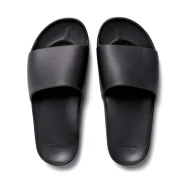
Archies Slides
$59.95 incl GST Select options This product has multiple variants. The options may be chosen on the product page -
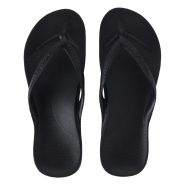
Archies Thongs | Arch Supporting Footwear
$39.95 incl GST Select options This product has multiple variants. The options may be chosen on the product page -

Carbon Fiber Plate Arch Supporting Insoles
$42.50 incl GST Select options This product has multiple variants. The options may be chosen on the product page -

Diabetic Insoles
$31.50 incl GST Select options This product has multiple variants. The options may be chosen on the product page -

Formthotics
$59.00 incl GST Select options This product has multiple variants. The options may be chosen on the product page -

Gel Insoles
$24.90 incl GST Select options This product has multiple variants. The options may be chosen on the product page -

Shock Absorbing Arch Supporting Insoles
$32.50 incl GST Select options This product has multiple variants. The options may be chosen on the product page -
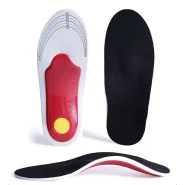
Simple Arch Supports
$25.00 incl GST Select options This product has multiple variants. The options may be chosen on the product page
Related News:
 Just what are ‘diabetic socks’ and why those with diabetes should wear them
  Self Massage for Plantar Fasciitis (Plantar heel pain)
  Rigid Carbon Fibre Inserts for Toe Walking
  How to get rid of chilblains quickly?
  Correct the toes: ‘Toe Corrector’ or ‘Toe Straightener’?
  A fungal toenail infection is hard work
  The Tomato Analogy for Cracked Heels
  Fix Toe Pro for Metatarsalgia
